Sep 22, 2026 ExclusiveData ScienceML Theory
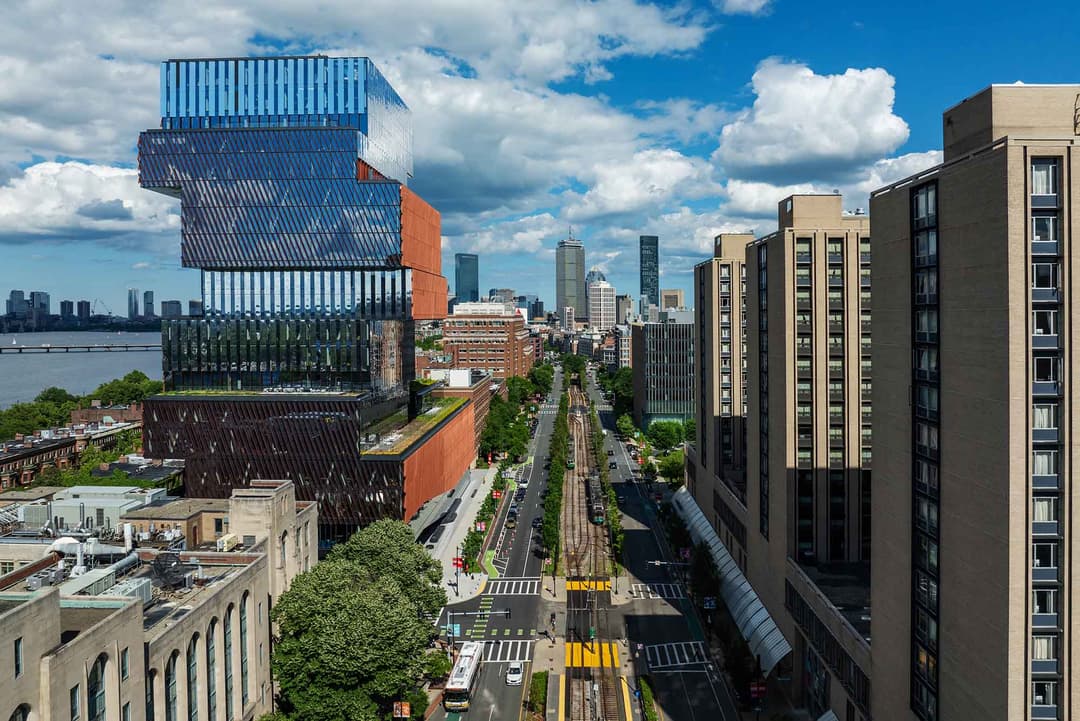
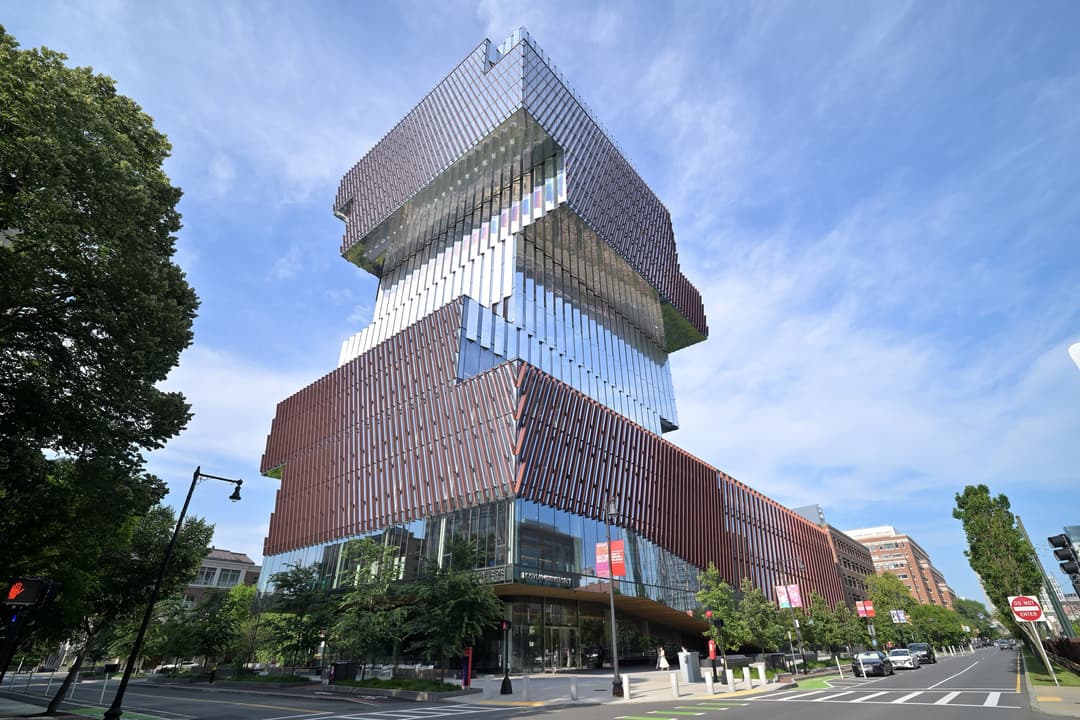
BU ranks 25th for undergraduate AI in U.S. News 2027 rankings
ExclusiveData ScienceML TheoryThe same release put BU at 34th overall, its best finish on the list.
40 news items shown
ExclusiveData ScienceML TheoryThe same release put BU at 34th overall, its best finish on the list.
The Daily Free Press reported on Massachusetts's effort to become a national AI leader through the state's AI Hub and startup programs such as The Open Accelerator, and on the oversight questions that growth has raised. Gov. Maura Healey called for stronger federal guardrails and independent oversight of AI. Seth Villegas, a Faculty of Computing and Data Sciences lecturer who studies technology ethics, said AI agents could pose greater risks than large language models alone. The piece shows BU students how Boston's AI policy debate is taking shape.
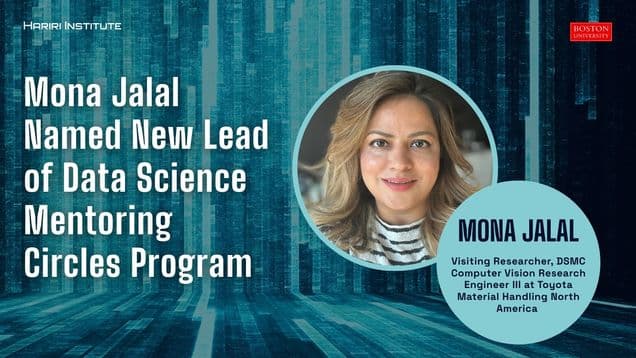
The Hariri Institute for Computing has appointed BU alumna Mona Jalal as the new lead for its Data Science Mentoring Circles Program. Jalal brings industry experience in computer vision, synthetic data generation, and edge AI deployment to the mentoring role.
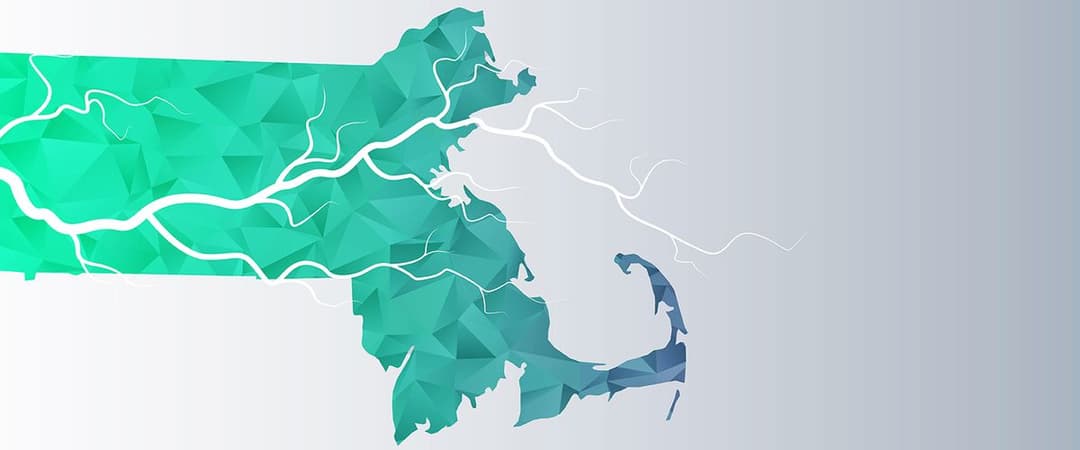
Professors Ayşe Coskun and Emiliano Dall’Anese have received $180,000 in additional funding from the Massachusetts Clean Energy Center to expand their work on managing AI data center power consumption. The project aims to develop a multimodal framework that regulates power use under grid constraints without sacrificing performance.
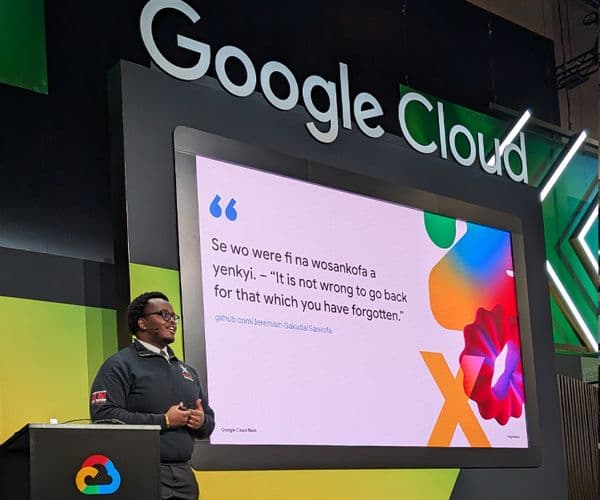
Boston University ECE senior Jeremiah Somoine earned two prizes in a Google Gemini hackathon for building user-focused generative AI applications. Somoine's projects emphasize transparency, user empathy, and trustworthiness in tools built on large language models.
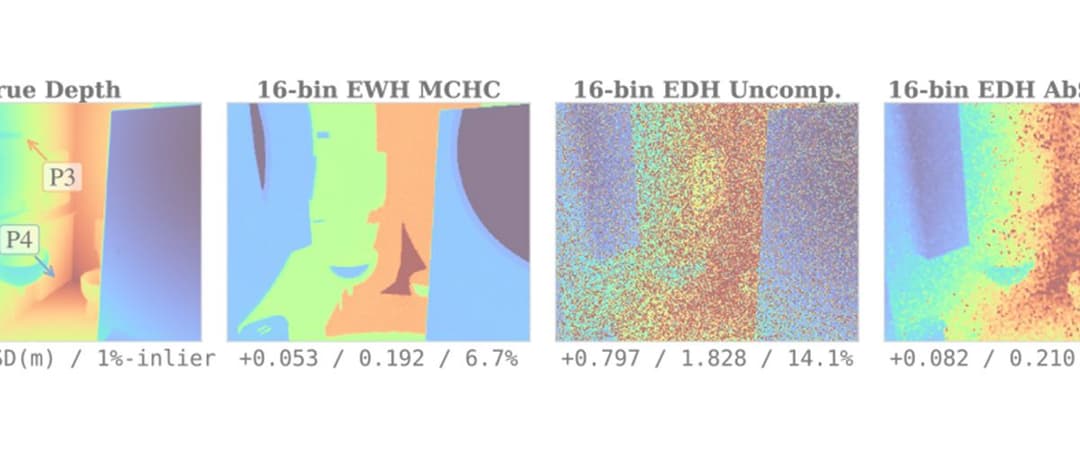
Boston University Engineering Professor Vivek Goyal and his team received a Best Paper Award at the IEEE International Conference on Computational Photography. Their paper details a probabilistic modeling technique for single-photon 3D cameras that overcomes data transfer bottlenecks and light distortion. The approach enables high-flux 3D sensing without processing delays or added hardware constraints.
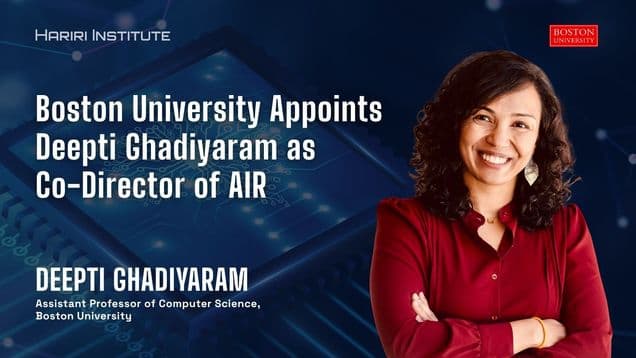
Boston University's Hariri Institute for Computing has appointed Deepti Ghadiyaram as co-director of its Artificial Intelligence Research Initiative alongside founder Kate Saenko. Ghadiyaram, an assistant professor of computer science, specializes in safe, interpretable, and robust computer vision systems. She will help unite AI researchers across BU through research seminars and collaborative programming.
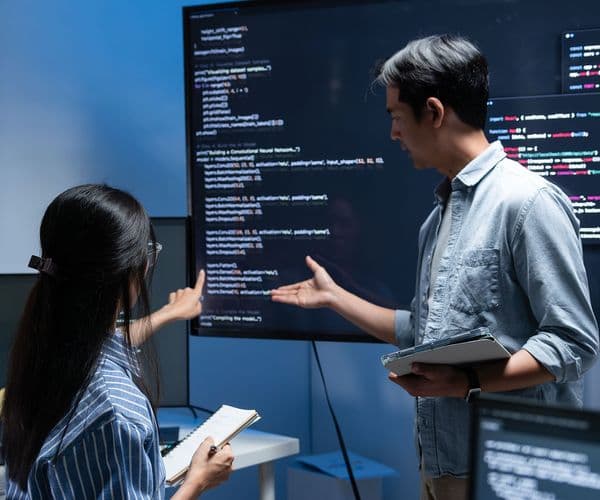
An article from BU's College of Engineering outlines the transition of artificial intelligence from controlled demo prototypes to real-world deployment. It explains how software engineering discipline ensures AI models operate dependably within scalable production environments.
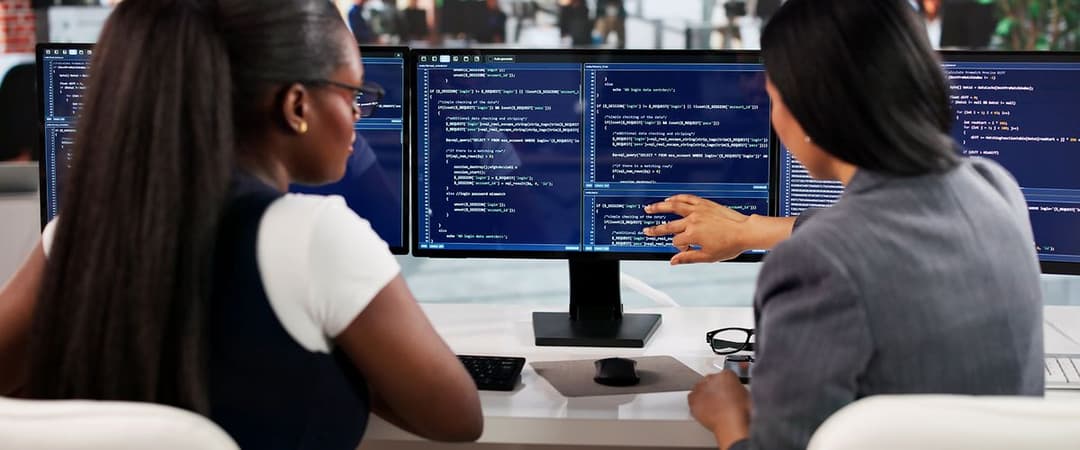
Boston University's College of Engineering details how software engineering structures are essential for making artificial intelligence models reliable and scalable. The article discusses how combining AI pattern recognition with software workflows prepares engineers to build robust intelligent platforms and highlights master's training in AI software engineering.
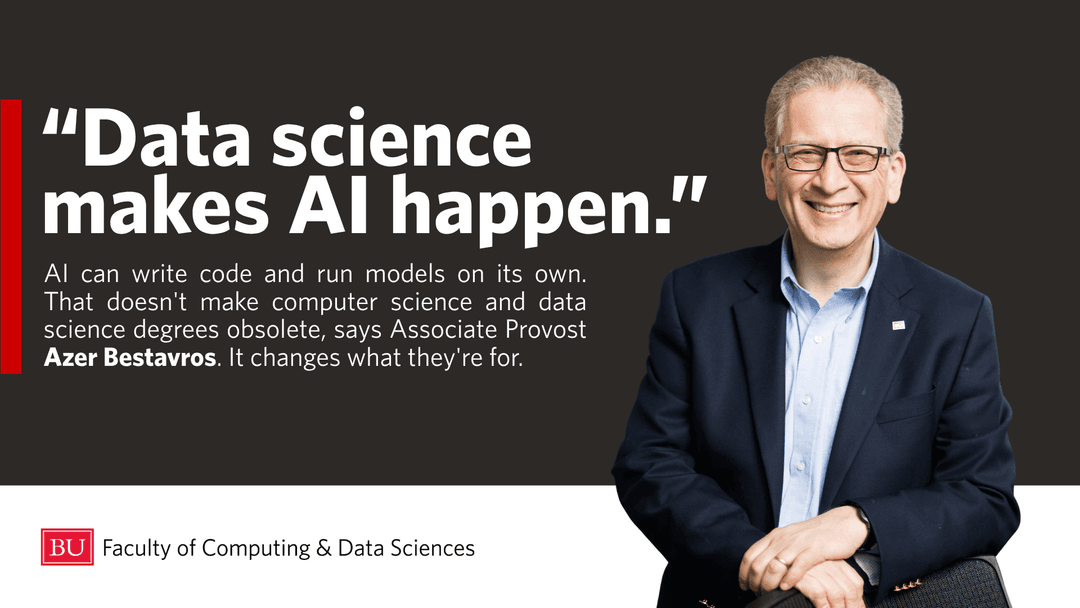
Azer Bestavros, Associate Provost for Computing & Data Sciences at Boston University, argued that generative AI tools will not eliminate the need for computing degrees. He explained that university programs teach computational thinking, systems architecture, and critical evaluation rather than routine coding syntax.
Boston University professor Ayşe Coşkun is serving as Chief Scientist for Emerald AI, a startup focused on optimizing data center power usage. The company's software deploys autonomous AI agents to adjust energy consumption during peak grid demand. The technology addresses public backlash and electrical grid strain caused by expanding AI infrastructure.
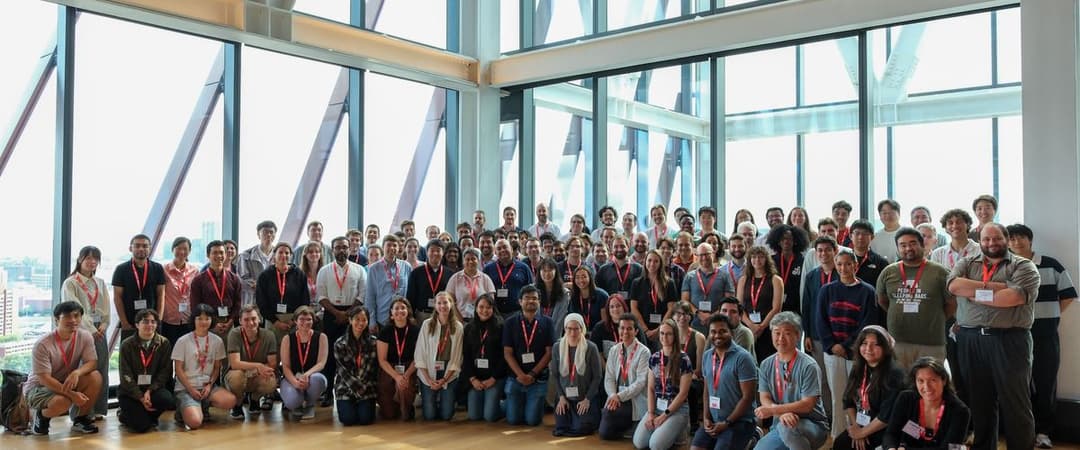
Boston University hosted over 100 researchers for the Dark Energy Science Collaboration at the Center for Computing and Data Sciences. Organized by BU assistant professor Dillon Brout, the event brought together cosmologists and data scientists to analyze astronomical data from the Vera C. Rubin Observatory.
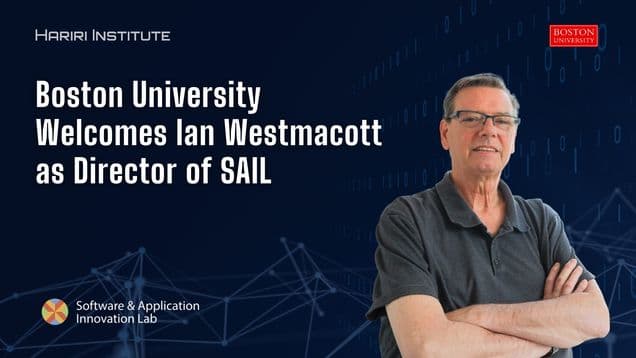
The Hariri Institute for Computing named Dr. Ian Westmacott as director of the Software and Application Innovation Lab. He will lead a team of software engineers developing custom software, computing systems, and AI infrastructure to support research across Boston University.
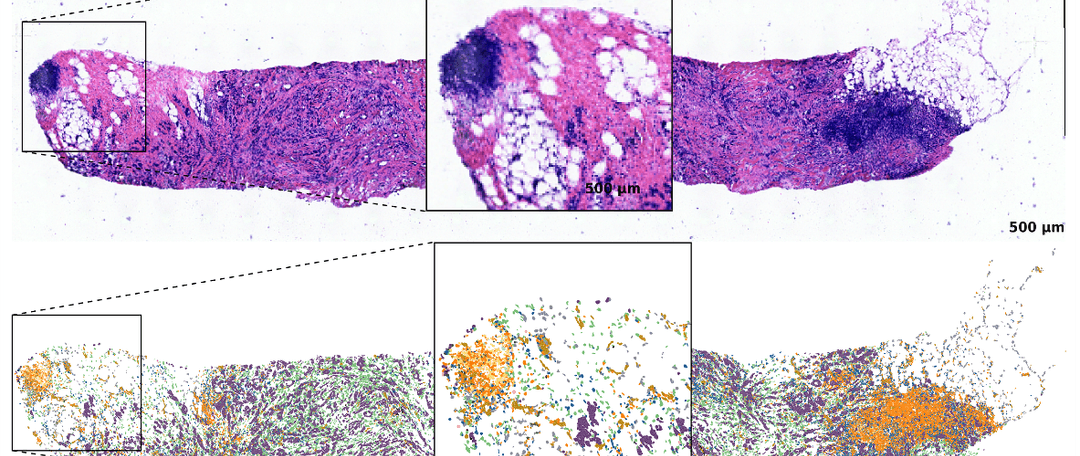
A Boston University team led by Assistant Professor Ruben Dries has received a $3.37 million NIH grant to develop computational tools for analyzing spatial subcellular transcriptomics datasets. The project aims to build open analytical infrastructure to help researchers process massive molecular maps without specialized computing hardware. Co-investigators include computer science and data science faculty Mark Crovella and Shariq Mohammed.
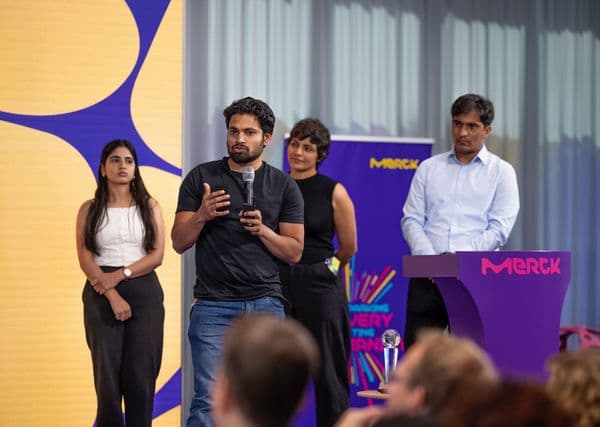
Chemistry doctoral students Anand Sahu and Pridhi Balhara were part of the winning team at the 2026 Merck In Silico Innovation Cup for AI Agents. Their project developed an autonomous AI co-scientist to identify chemical solutions for semiconductor chip manufacturing. The team was selected from 41 international submissions to receive the 10,000 euro grand prize.
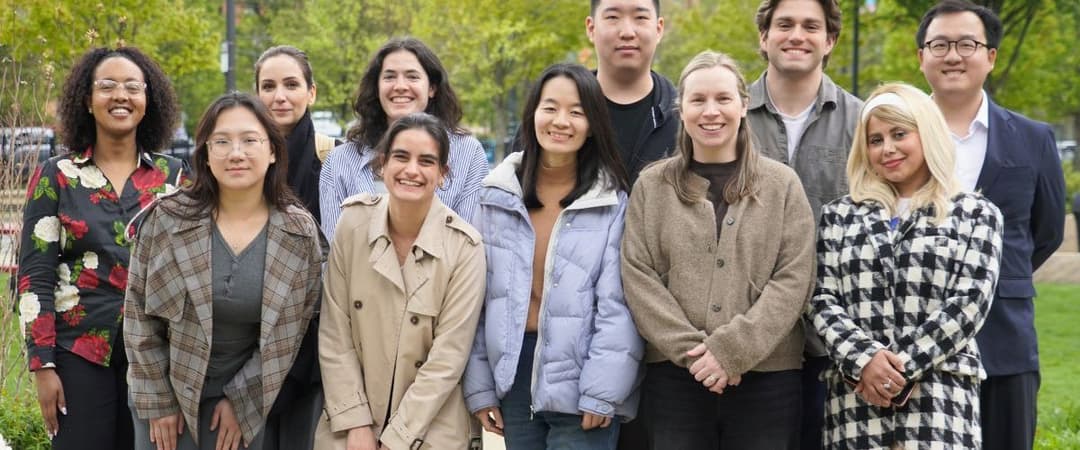
Xinyi Hu, a PhD student in Computing & Data Sciences at Boston University, was awarded a 2026 Graduate Student Summer Fellowship from the BU Institute for Global Sustainability. Advised by Assistant Professor Aldo Pacchiano, Hu develops data-efficient reinforcement learning methods for building energy optimization. The fellowship program supports interdisciplinary graduate research addressing planetary health and sustainability challenges.
The Questrom School of Business is launching a fully online Master of Science in AI in Business, with its first cohort due in Fall 2026. The two-year asynchronous program costs $25,000 in tuition and centers on AI strategy and responsible adoption for business leaders. Senior Associate Dean Paul Carlile said the program is meant to help students turn experimentation with AI into business strategy. Students interviewed by the Daily Free Press welcomed the shift, and the piece situates it alongside a Wheelock online master's on classroom AI use.
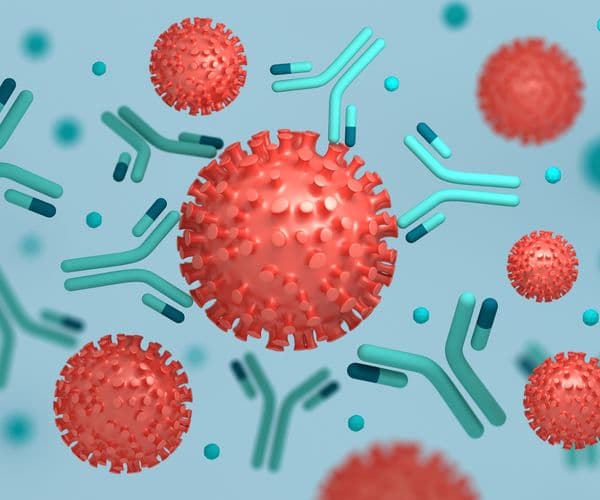
BU researchers showed that an AI model built around the biology of antibodies can outperform much larger general models at predicting antibody designs. The approach could shorten the early stages of drug discovery.
A College of Engineering team is applying machine learning to predict how medicines reach their targets in the body. The work aims to make drug delivery more precise and reduce side effects.
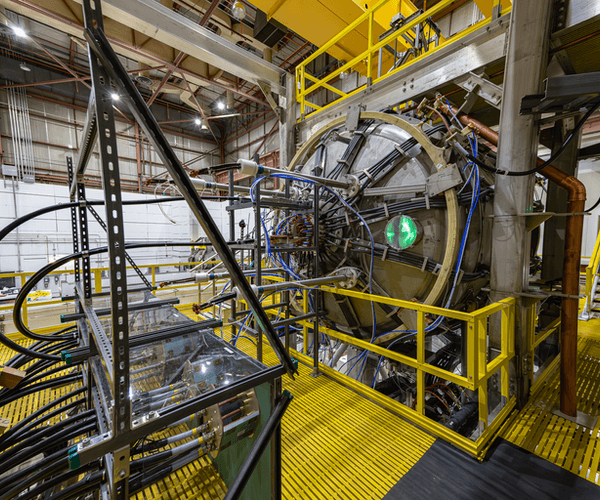
Boston University is a collaborating institution on a new U.S. Department of Energy Genesis Mission award that applies AI to plasma physics research. The project connects BU engineers with national-lab partners.
A recent Computing & Data Sciences graduate built an optimization system that assigns classes to rooms across the Charles River Campus by weighing enrollment, room capacity, and walking distance between buildings. Joey Russoniello (CDS'26) developed the tool with Lauren Wheelock through the CDS Clinics program, working with BU Information Services & Technology and support from the CDS Launchpad Fund. The tool reduced wasted seating by 92 percent and cut average walking distance from departments' home buildings by 67 percent.
A $20 million NSF award will expand BU's DAMP Lab cloud lab and link it to a national network of 20 AI-driven research facilities, aiming to democratize access to advanced biotechnology capabilities for researchers nationwide.
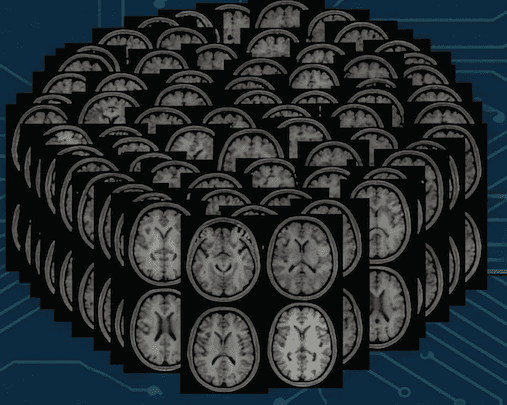
A College of Engineering team in Xin Zhang's Laboratory for Microsystems Technology trained a transformer-based foundation model on general patterns in brain MRI scans, so it can be adapted to specific diagnostic tasks with only a few labeled examples. The approach targets a common hospital constraint: plenty of imaging data but few expert-labeled cases. Radiologist Chad Farris of the Chobanian & Avedisian School of Medicine said faster reads could help flag acute conditions such as stroke. The Brink featured the work again in its September 18 research roundup.
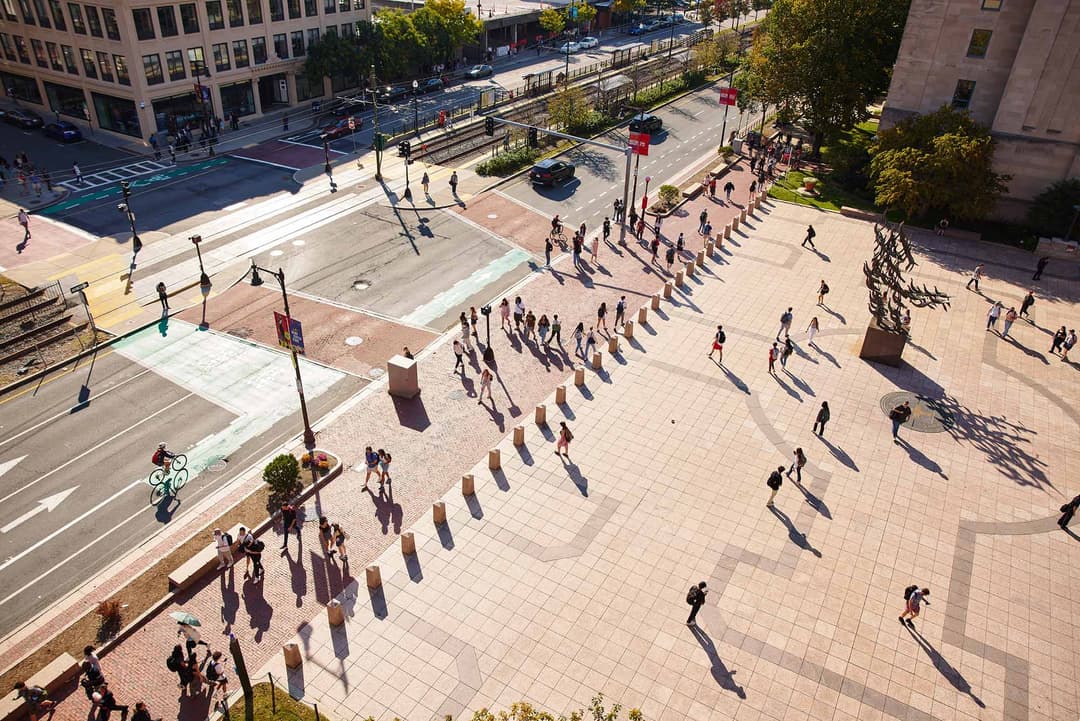
BU's College of Arts & Sciences announced three new master's programs aimed at emerging technical fields, including computing and data-intensive work.
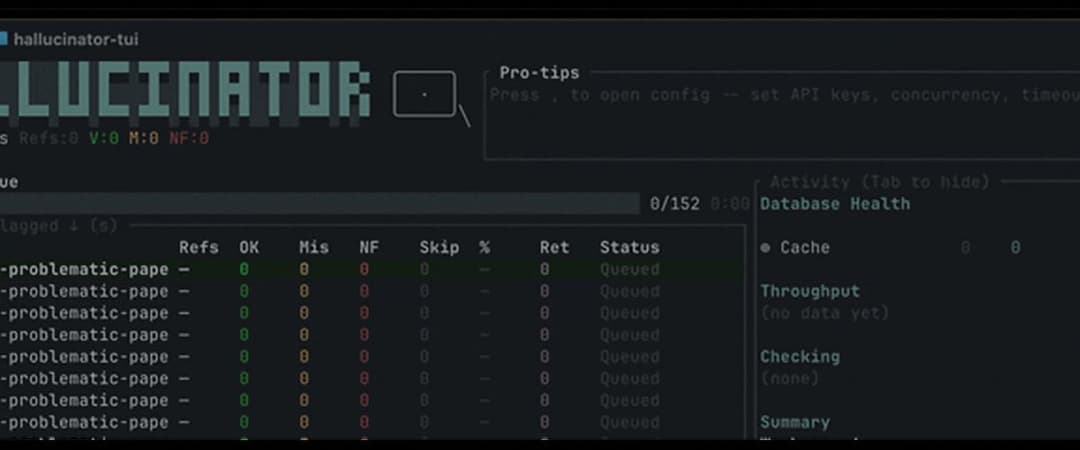
ECE professor Gianluca Stringhini released an open-source tool that helps peer reviewers detect AI-hallucinated citations in academic manuscripts.
ECE faculty and students were recognized across every category of the Hariri Institute's 2026 cohort, including new Junior Faculty Fellow Wei-Lun (Harry) Chao and a neuro-AI Focused Research Program on striatal learning.
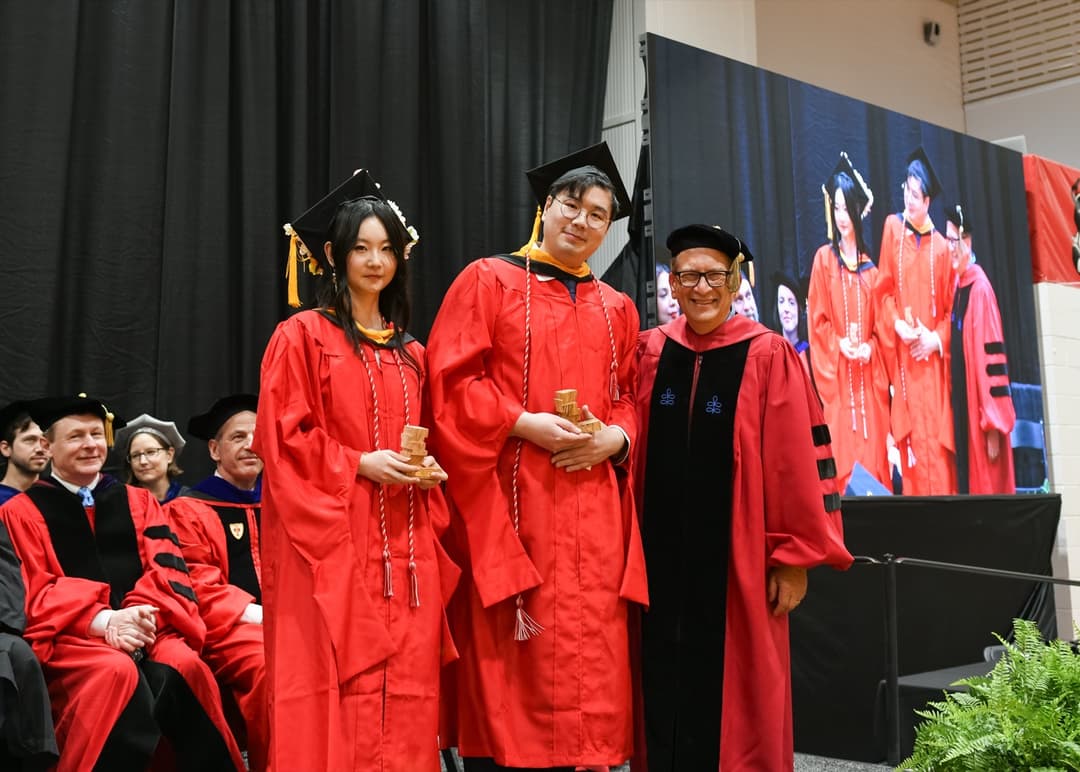
CDS closed the 2025-26 academic year by recognizing students, faculty, and staff for research and community impact.
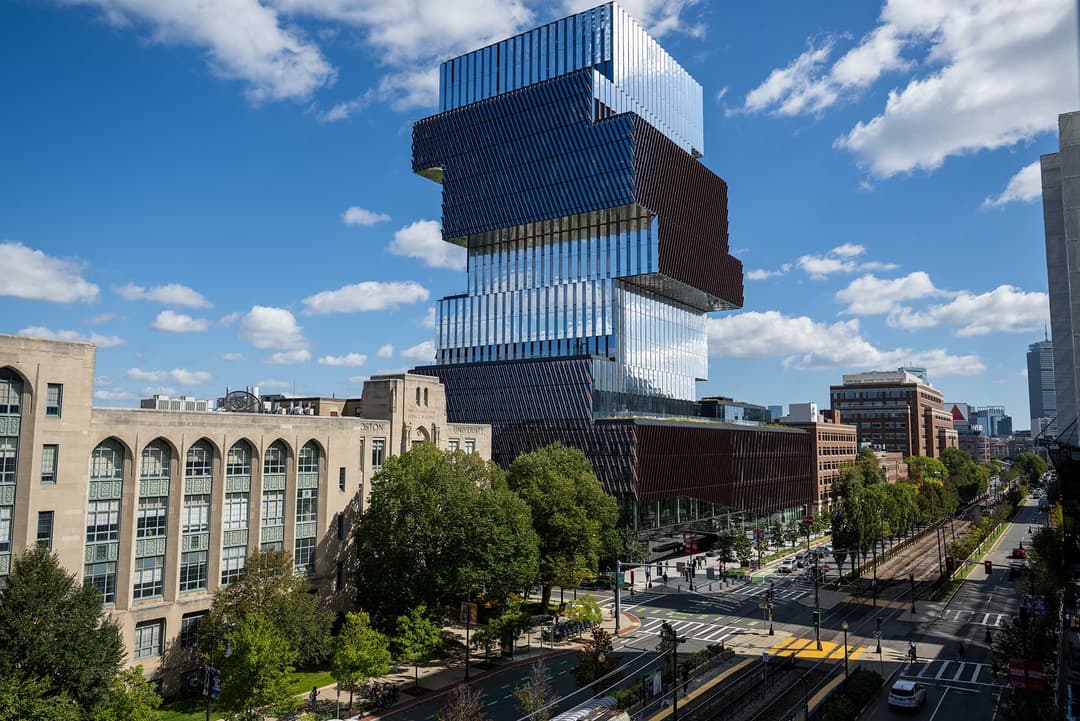
BU became a core member of the NSF AI Institute for Artificial Intelligence and Fundamental Interactions (IAIFI) alongside MIT, Harvard, Northeastern, and Tufts. CDS Assistant Professor Siddharth Mishra-Sharma leads BU's participation.

BU's School of Public Health launched DataHub, a Center for Health Data Science initiative to help researchers discover, access, and responsibly use health data for AI-driven, cross-disciplinary work.
The Hariri Institute announced its 2026 fellowship and research program awardees, with several CDS and Bioinformatics faculty and students among them.
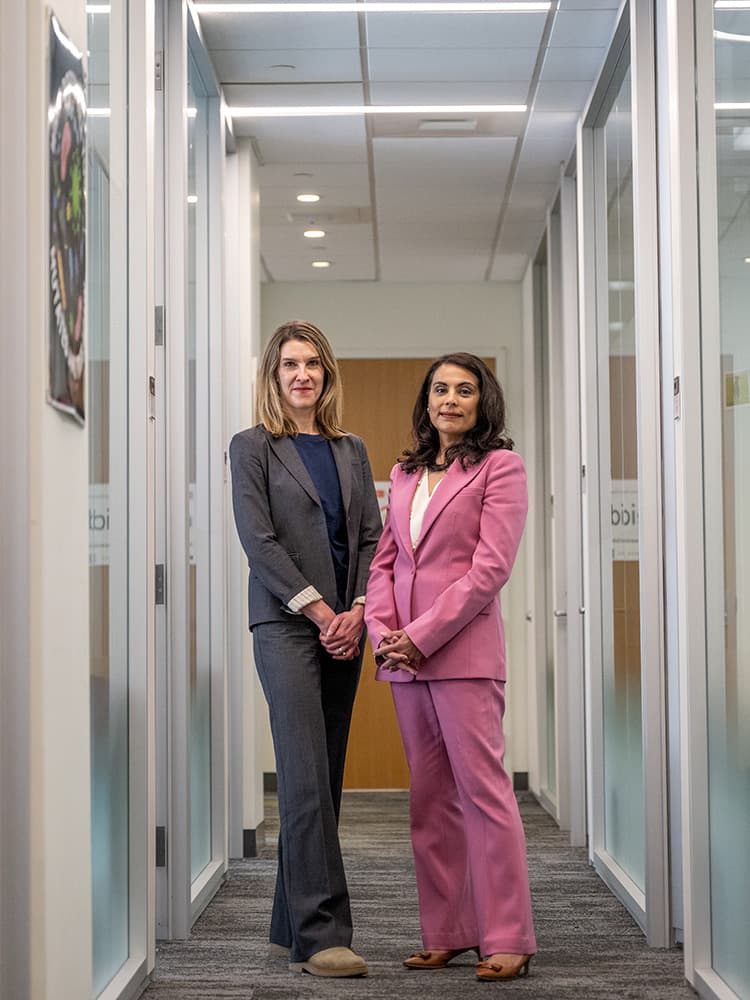
BEACON, run out of BU's Center for Emerging Infectious Diseases, uses AI to scan large volumes of data for early signals of outbreaks like measles, cholera, and mpox before they surface through standard public health channels.
CDS Assistant Professor Xuezhou "Jack" Zhang received NIH funding for a collaboration applying AI to drug repurposing.
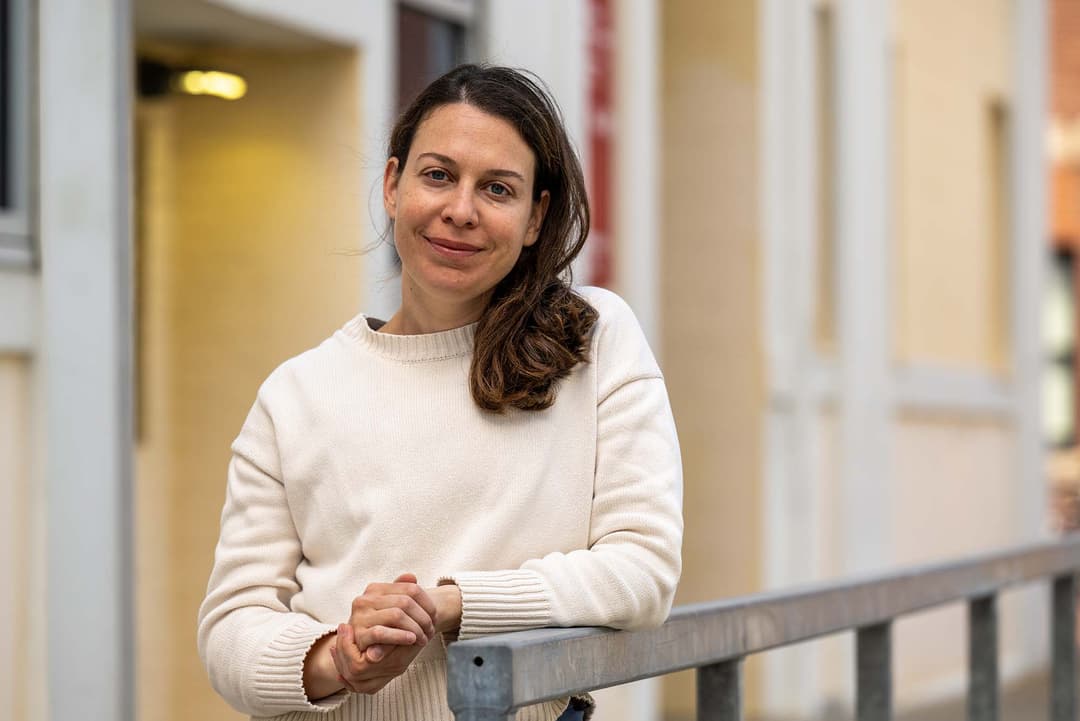
COM professor Ayse Lokmanoglu won an Andrew Carnegie Fellowship for computational work on how online imagery drives political polarization.
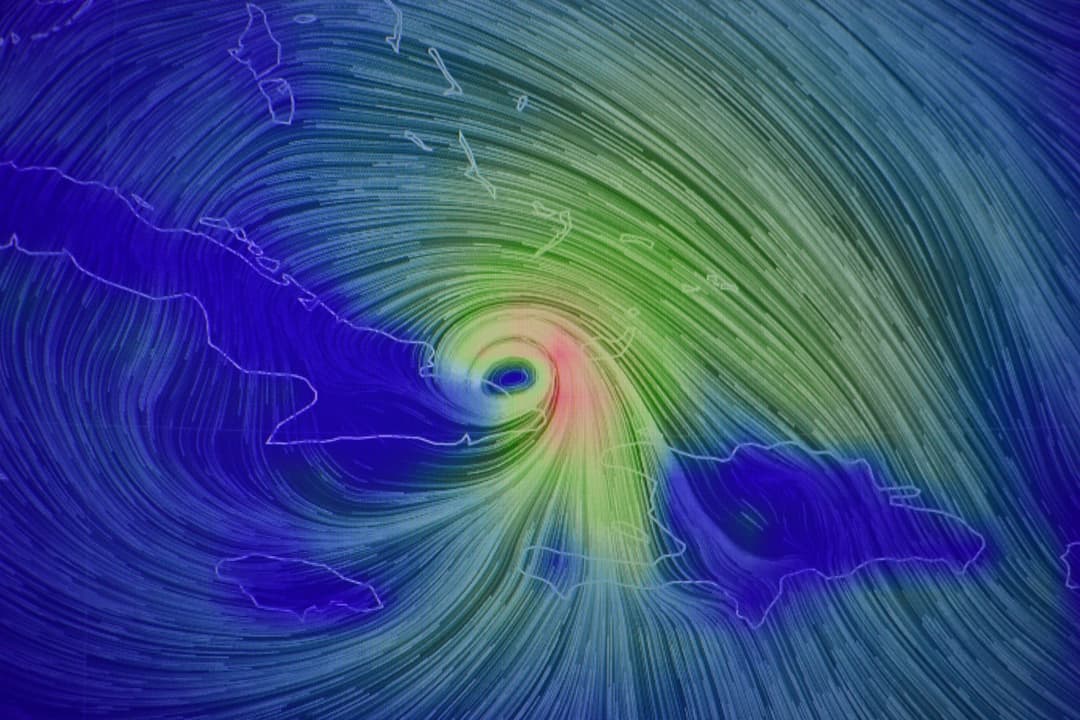
CDS researcher Mu-Ting Chien is using the ACE2 deep learning climate emulator to study weather and climate variability at century scale.
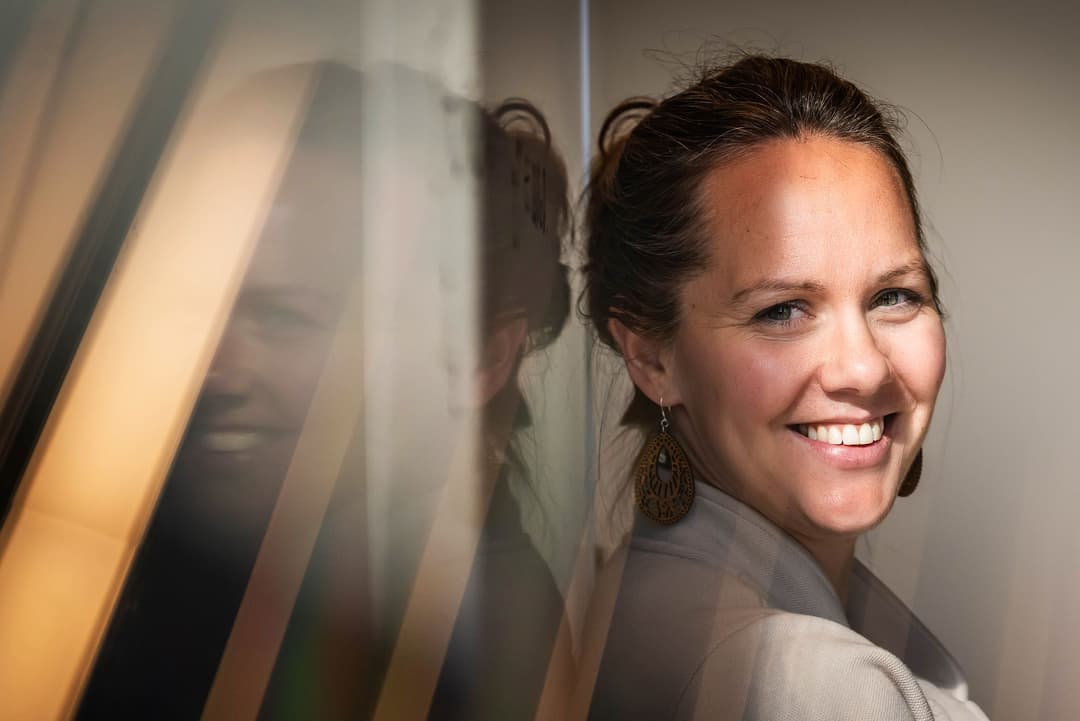
BU's Elizabeth Barnes combines AI with Earth sciences to improve climate and weather predictions across timescales from days to decades, aiming to accelerate Earth system modeling while preserving scientific rigor and uncertainty quantification.
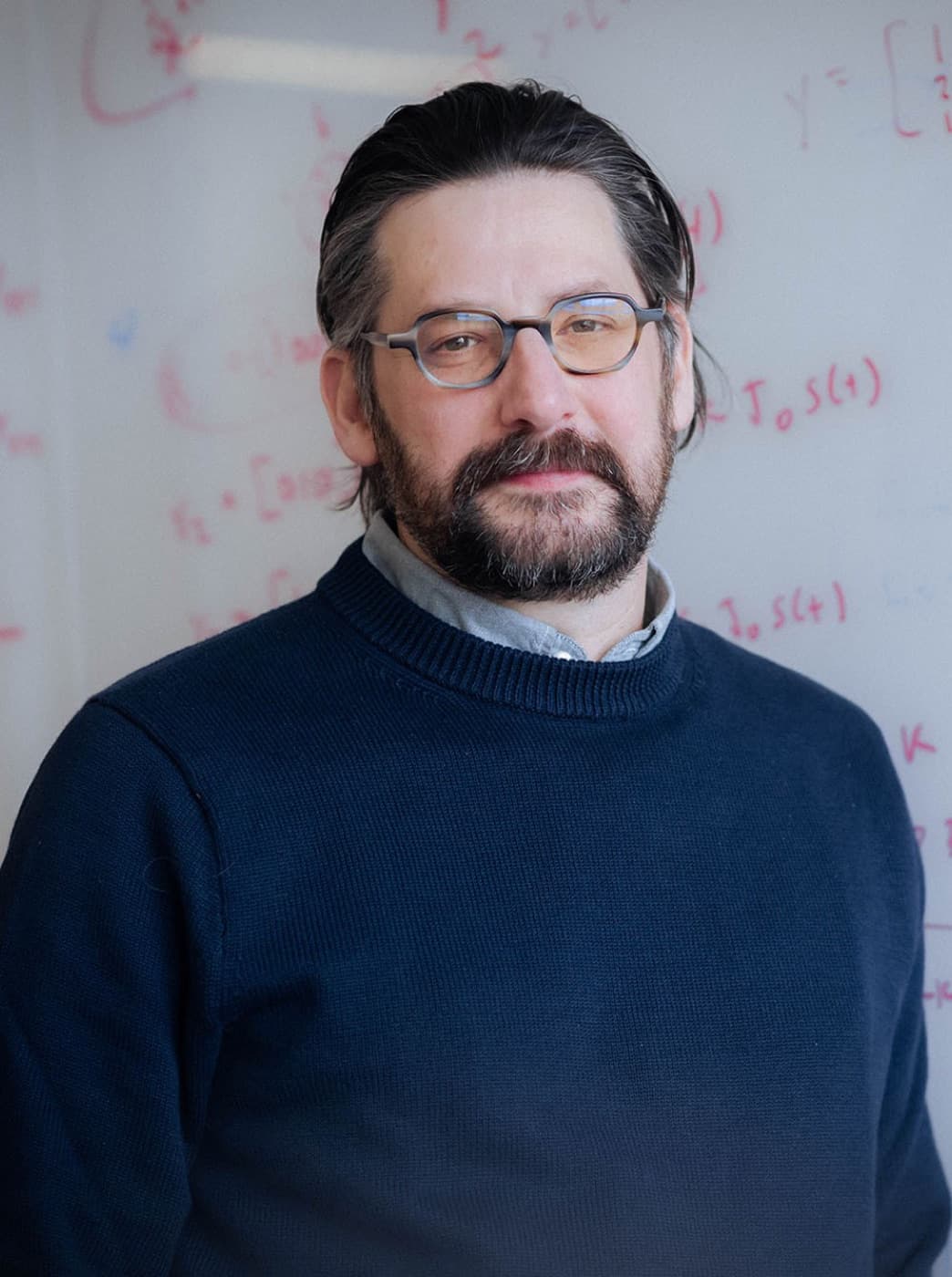
Brian DePasquale, a CDS faculty fellow and assistant professor of biomedical engineering, received a 2026 Sloan Research Fellowship. The Alfred P. Sloan Foundation named 126 fellows from more than 1,000 nominees, and each fellow received $75,000 over two years. DePasquale builds mathematical models of how neurons produce movements, decisions, and perceptions. He plans to use the award to develop AI and mathematical models of how chemicals produce the perception of smell. Biomedical engineering vice chair Mary Dunlop said the work could improve devices that turn brain signals into commands for robotic limbs and computers.
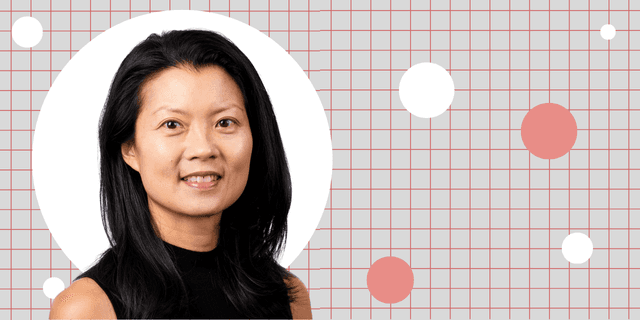
The AI Development Accelerator named Hariri Institute faculty affiliate Debbie Cheng as Director of Strategy and Partnerships, following an AIDA symposium on real-world generative-AI use in research and education.
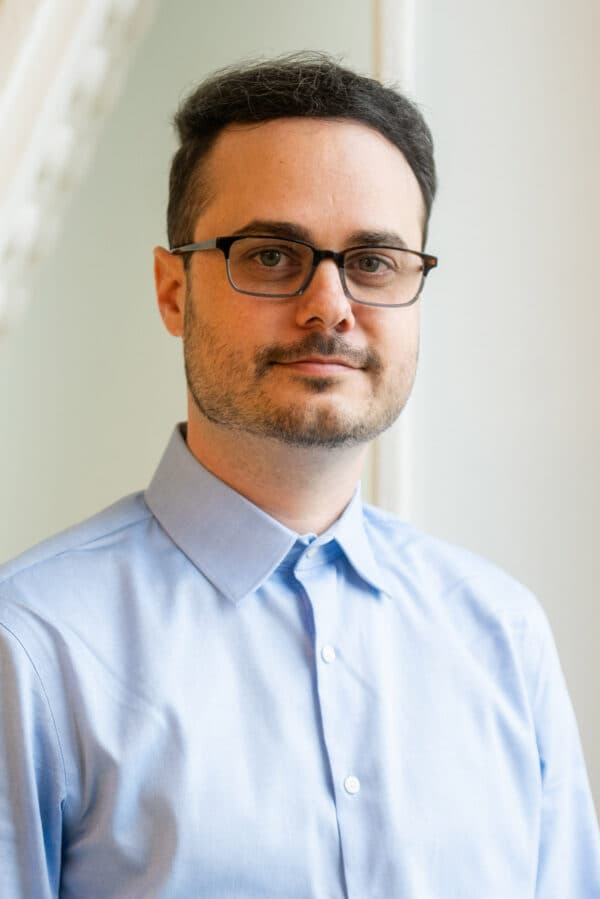
Joshua Peterson, an assistant professor in the Faculty of Computing & Data Sciences, secured funding from the Defense Advanced Research Projects Agency (DARPA) for an 18-month project called "Predicting Algorithmic Trust at Scale." The project aims to build a Trust Score that predicts how much people will rely on an AI system to make decisions for them. Researchers will run large experiments across finance, law, and medicine, generating thousands of decision problems. Princeton University leads the effort with NYU and Cornell. Peterson's BU team will study tasks drawn from decision-making research in psychology and economics.